Absolute Asia/South Korea/South Korea Itinerary: 10 Days Across Seoul, Gyeongju and Busan
South Korea Itinerary: 10 Days Across Seoul, Gyeongju and Busan
A 10-day South Korea itinerary: Seoul palaces, Gyeongju’s UNESCO sites and Busan, with the KTX times, K-ETA exemption rules for 2026 and how to add Jeju or the DMZ.
Quick Overview: A 10-day South Korea itinerary: Seoul palaces, Gyeongju’s UNESCO sites and Busan, with the KTX times, K-ETA exemption rules for 2026 and how to add Jeju or the DMZ.
Ten days is the right length for a first South Korea trip: four nights in Seoul, two in Gyeongju, three in Busan, and a flight home from either Busan or Seoul. The KTX high-speed train links the three in a couple of hours each, so most of your days go to palaces, temples and food, not to travel. Add Jeju or the DMZ only if you have days to spare.
South Korea facts for planning
| Question | Answer |
|---|---|
| Best length | 10 days: Seoul 4, Gyeongju 2, Busan 3, plus a day for arrival and departure |
| Seoul to Busan by KTX | About 2 hours 15 minutes on the fastest trains; many take longer. Check Korail’s timetable. |
| K-ETA for US citizens | Temporarily exempt from 1 January to 31 December 2026. The 2027 position hasn’t been announced. |
| Arrival card | Travelers without a K-ETA still complete the online e-Arrival Card. |
| Gyeongju by train | The KTX stops at Gyeongju station, which is outside the city center, so plan for a taxi or bus. |
| UNESCO sites on this route | Changdeokgung (1997), Bulguksa and Seokguram (1995), Gyeongju Historic Areas |
10-day route
| Stop | Nights | What you do |
|---|---|---|
| Seoul | 4 | Gyeongbokgung and Changdeokgung palaces, Bukchon hanok streets, markets, food |
| Gyeongju | 2 | Bulguksa temple, Seokguram grotto, the old royal-tomb and temple sites |
| Busan | 3 | Haeundae beach, harbor, seafood markets |
Seoul: four nights
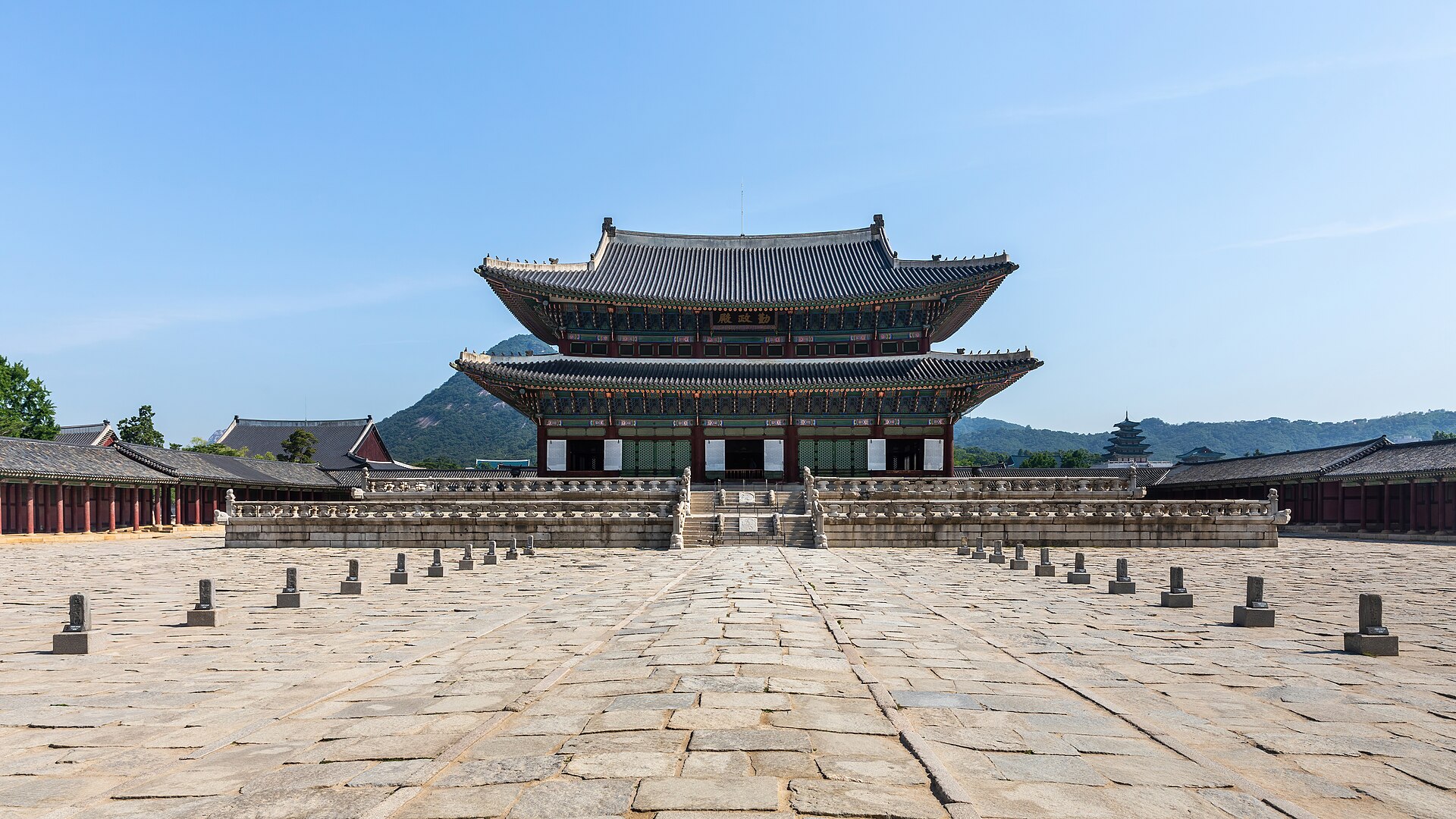
Gyeongbokgung was inaugurated in 1395, and Changdeokgung is a UNESCO World Heritage Site (1997). Do both palaces on separate mornings, since each needs a couple of hours. Spend afternoons in Bukchon’s hanok streets and the evenings at markets. Our things to do in Seoul guide has the full list. For the DMZ, which is a border zone 238 km long, most visitors take a half-day tour; confirm booking and ID requirements with the operator.
Gyeongju: two nights
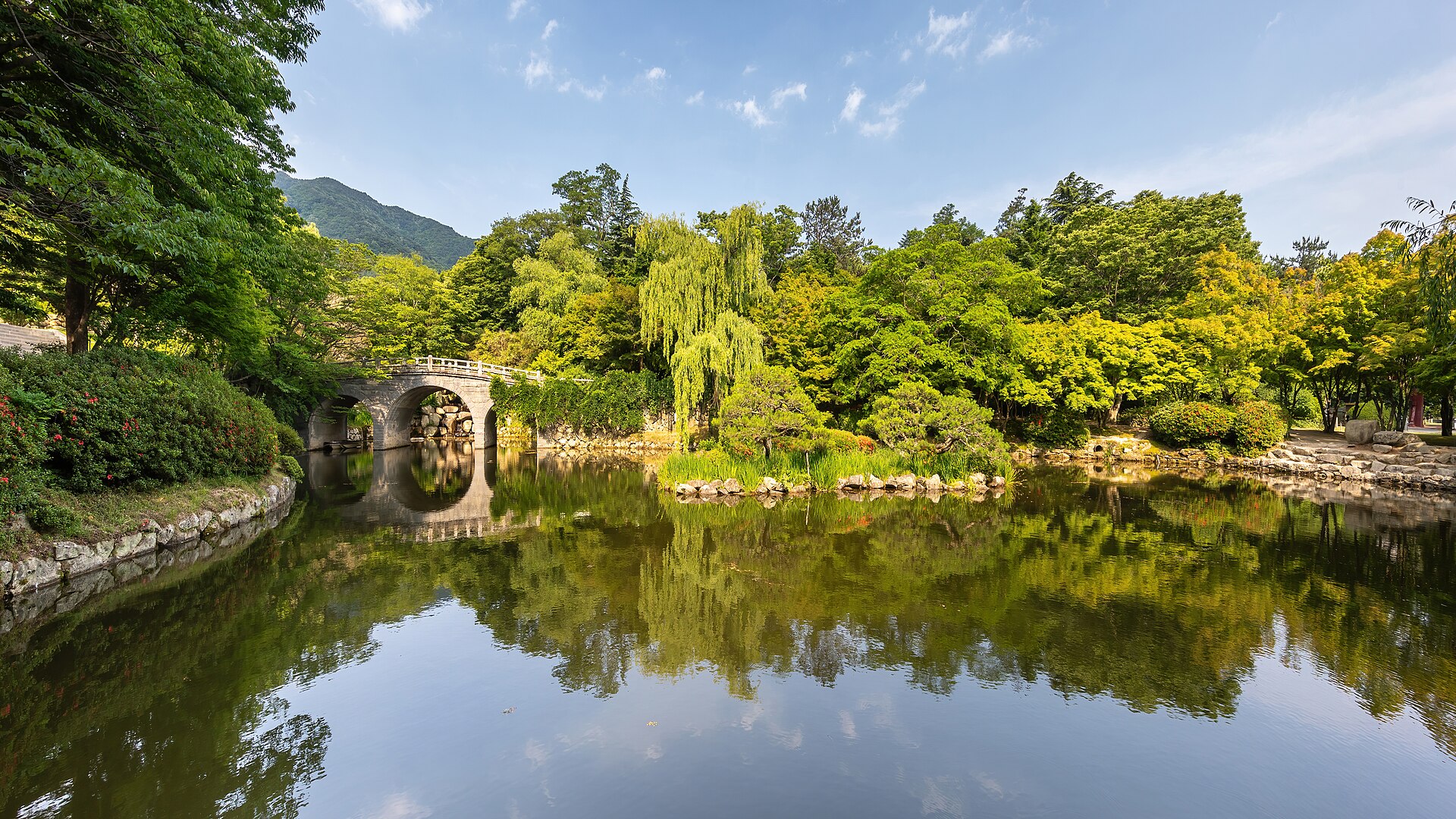
Gyeongju was the capital of the Silla kingdom, and it has two UNESCO listings: Bulguksa temple with the Seokguram grotto (1995), and the Gyeongju Historic Areas. Take the KTX from Seoul to Gyeongju station, which sits west of the city center in Geoncheon-eup, then a taxi or bus into town. Two nights lets you see Bulguksa in the morning, before the tour groups arrive.
Busan: three nights
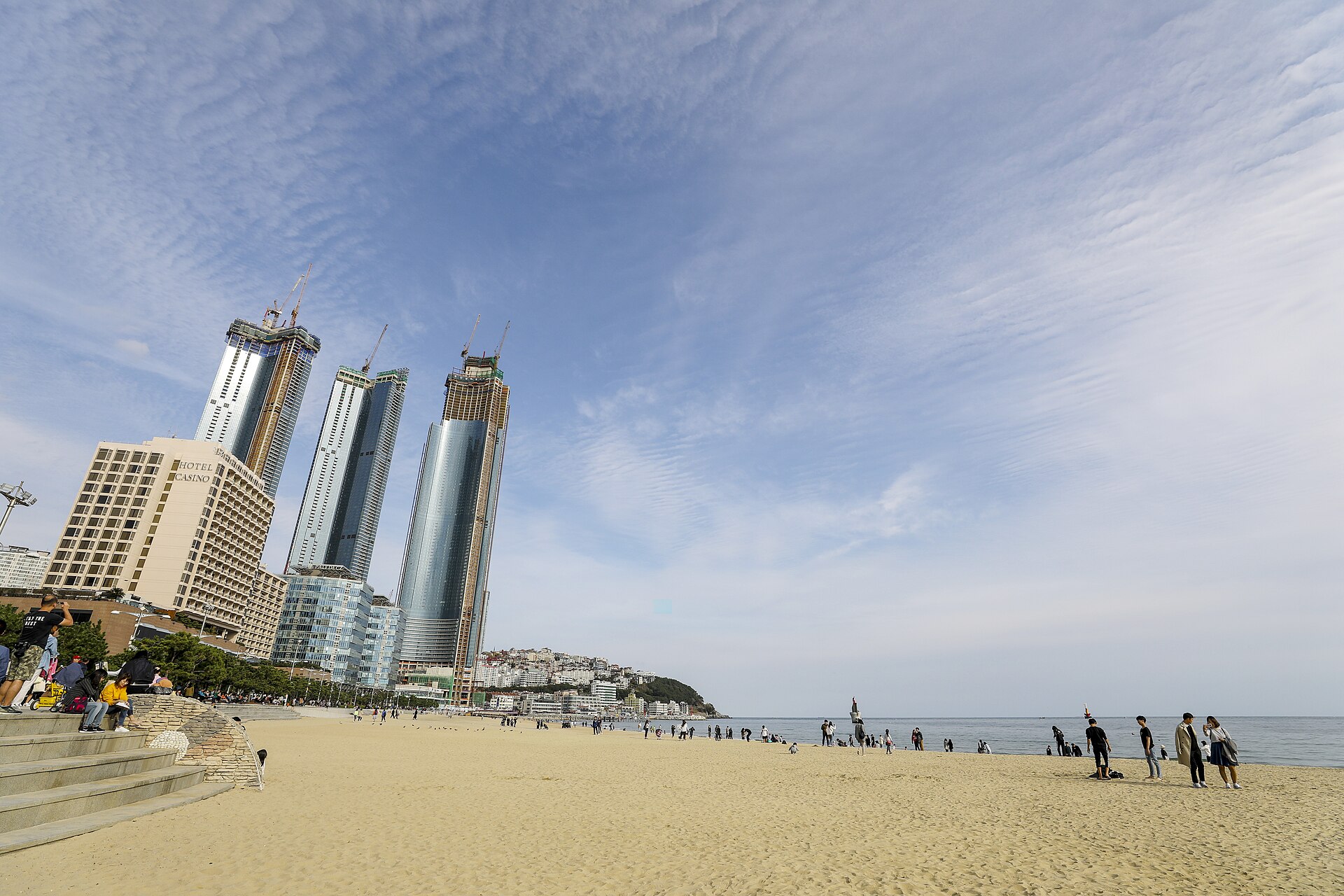
Busan is South Korea’s second-largest city, with a long beach at Haeundae, a working harbor and good seafood. Give it three nights to cover the coast, a temple and the fish market. Read our Busan page for more.
Adding Jeju
If you have two more days, fly to Jeju. The island has a UNESCO natural World Heritage Site, Jeju Volcanic Island and Lava Tubes (2007), and a subtropical climate. It’s an extra flight from Busan or Seoul, so only add it if you’d rather see volcanic scenery than more city time.
When to go
Spring and fall are the usual choices for a mainland itinerary. See our guides to autumn in South Korea and South Korea in winter for seasonal detail.
Entry rules for US citizens
US citizens are temporarily exempt from the K-ETA until 31 December 2026, according to Korean embassy notices, but the exemption has been renewed one year at a time and nothing has been announced for 2027. Without a K-ETA you still file the e-Arrival Card online. If your trip is in 2027, check the K-ETA portal before booking.
For a ready-made plan, see our South Korea tour packages, or our South Korea tours for private itineraries you can change.
Sources: Wikipedia on Gyeongbokgung, Changdeokgung, Bulguksa, Gyeongju, Jeju Island and the Korean DMZ; Korean embassy notices on the K-ETA exemption; Korail timetable for KTX times. Last checked 7 November 2026.
Frequently asked questions
How many days do you need in South Korea?
Ten days covers Seoul, Gyeongju and Busan. A week works if you drop Gyeongju or shorten Busan.
What is the best 10-day itinerary for South Korea?
Four nights in Seoul, two in Gyeongju and three in Busan, linked by the KTX. Add Jeju if you have two extra days.
How long is the train from Seoul to Busan?
About 2 hours 15 minutes on the fastest KTX, longer on slower trains. Check Korail’s timetable for your date.
Do US citizens need a K-ETA for South Korea?
Not until 31 December 2026, under the temporary exemption. You still complete the e-Arrival Card, and 2027 hasn’t been decided.
How do you get to Gyeongju from Seoul?
Take the KTX to Gyeongju station, then a taxi or bus. The station is west of the city center, not in it.
Is the DMZ worth visiting?
If you have the time, yes. It’s usually a half-day tour of the 238 km border zone, so confirm booking and ID requirements with the operator.
Is 10 days enough to see South Korea?
Yes, for the main cities and historic sites. Jeju and the east coast need extra days.
Photo: Banya yeonji pond water reflection of bridge and trees under blue sky at Bulguksa Gyeongju South Korea.jpg by Basile Morin, CC BY-SA 4.0 .
Further Reading
Journeys That Go There