Absolute Asia/South Korea/Korea DMZ Tour From Seoul: Panmunjom, the Third Tunnel, Dorasan Station and Odusan
Korea DMZ Tour From Seoul: Panmunjom, the Third Tunnel, Dorasan Station and Odusan
A Korea DMZ tour from Seoul: what the zone is, Panmunjom and the Joint Security Area, the Third Tunnel found in 1978, Dorasan Station, Imjingak and the Odusan observatory, plus how to book and what to check first.
Quick Overview: A Korea DMZ tour from Seoul: what the zone is, Panmunjom and the Joint Security Area, the Third Tunnel found in 1978, Dorasan Station, Imjingak and the Odusan observatory, plus how to book and what to check first.
The Demilitarized Zone, or DMZ, is a strip of land across the Korean peninsula that has divided North and South Korea since the Korean War. It’s one of the most heavily guarded borders in the world, and it’s also close enough to Seoul to visit on a day trip. A DMZ tour is not a typical sightseeing outing. It’s a lesson in recent history, with rules about where you can go and what you can photograph, so plan it carefully.
| DMZ created | armistice of 27 July 1953 |
|---|---|
| Panmunjom | Joint Security Area; divided along the demarcation line after 18 August 1976 |
| Third Tunnel | found October 1978, extends 400 m south of the DMZ |
| Dorasan Station | Gyeongui Line terminus, inside the Civilian Control Zone |
| Odusan Observatory | opened 8 September 1992; Songak Mountain in Kaesong is visible |
What the DMZ is
The Korean War ended in a ceasefire, not a peace treaty. The armistice of 27 July 1953 created the DMZ along the military demarcation line. A demilitarized zone, by definition, bars troops, weapons and military facilities. Today, the area beside the zone is controlled by the military, and civilians need permission to enter. Day tours from Seoul go to a handful of sites in Paju, just north of the capital.
Panmunjom and the Joint Security Area
Panmunjom is where the armistice talks took place, and the Joint Security Area there is guarded by the United Nations Command and the Korean People’s Army. The actual signing site was about 1.5 kilometers north of today’s Panmunjom. Until 1976, soldiers and visitors could move freely across the area. After the axe murder incident of 18 August 1976, the zone was divided along the demarcation line, and the two sides have been separate ever since. Korean sources say foreign visitors with passports can visit the “Freedom House” by following the set procedures. Tours to Panmunjom are limited, require advance booking through an approved operator, and are sometimes suspended, so check their status before you plan around it.
The Third Tunnel
The Third Tunnel, in Jangdan, Paju, was found in October 1978 after drilling that followed a tip from a defector in 1974. It drew attention because it’s close to Seoul and runs 400 meters south of the DMZ. Visitors walk down into it on a guided route.
Dorasan Station
Dorasan is the last station on the Gyeongui Line before the border. It lies inside the Civilian Control Zone, so visitors must complete entry formalities at Imjingang Station and hold a return ticket. A special train ran here in February 2002, the first crossing of the Imjin River in 52 years, and Presidents Kim Dae-jung and George W. Bush visited the station that year. The sign says it is “not the last station in the south, but the first station toward the north.” It’s a quiet, moving place.
Imjingak and the Odusan observatory
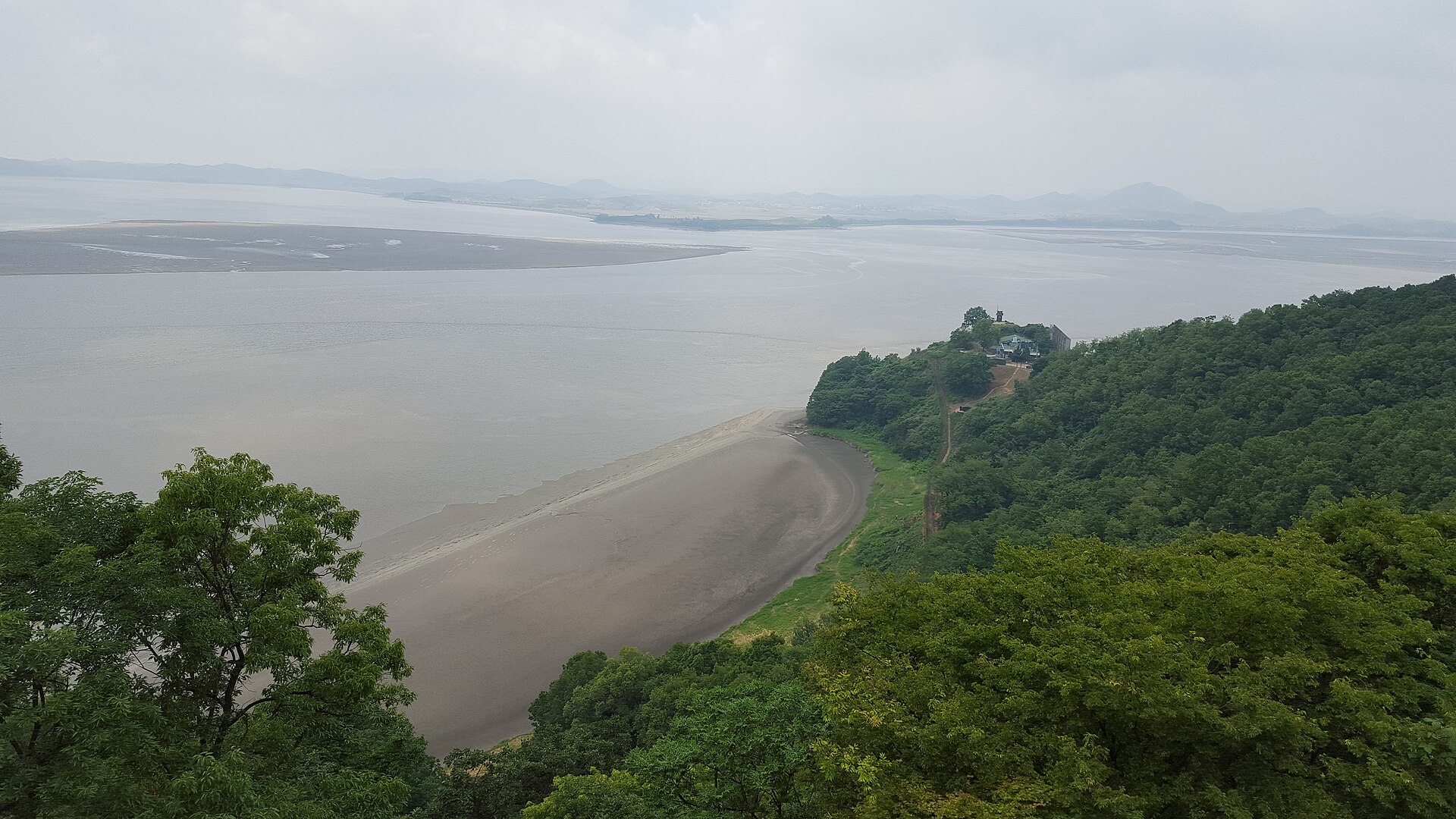
Imjingak is a park of memorials near the border, with the Peace Nuri Park, the Bell of Peace and the Mangbaedan altar, where families displaced by the war hold memorial rites at the Lunar New Year and Chuseok. The Odusan Unification Observatory stands where the Han and Imjin rivers meet and opened in 1992. From its circular observation room you can see as far as Songak Mountain in Kaesong, and telescopes outside look across the river into North Korea. A free shuttle runs from the car park.
What to know before you book
- Book through an approved operator. You can’t just turn up. Tours usually leave from Seoul in the morning and return in the afternoon.
- Bring your passport. It’s checked at several points.
- Follow the dress code and photo rules. Your guide will explain where photography is not allowed.
- Expect changes. Tour routes, opening days and Joint Security Area access can change at short notice, depending on the security situation.
See our guides to Seoul, South Korea tour packages and South Korea in winter for the rest of a trip.
Planning a DMZ visit with Absolute Asia Tours
Absolute Asia Tours has planned private trips in Asia since 1989. For the DMZ that means a booking with an approved operator, a private guide who can explain the history, a transfer from Seoul, and a back-up plan if a site is closed on your day. We’re rated 4.8 out of 5 across about 900 traveler reviews. Have a look at our South Korea tours or tell us your dates.
Sources (read in Korean, Korean Wikipedia): 한반도 비무장 지대, 공동경비구역, 도라산역, 임진각국민관광지. Last checked November 2026.
Korea DMZ tour: FAQ
What is the DMZ in Korea?
A demilitarized strip across the peninsula, created by the armistice of 27 July 1953.
Can you visit the DMZ from Seoul?
Yes. Day tours go to sites in Paju, north of Seoul. You must book through an approved operator and bring your passport.
What is Panmunjom?
The place where the armistice talks took place, now a Joint Security Area. Visits are limited and sometimes suspended, so check before you book.
What is the Third Tunnel?
A tunnel found in October 1978 that extends 400 meters south of the DMZ.
Why is Dorasan Station famous?
It is the last station on the Gyeongui Line before the border, and its sign says it is the first station toward the north.
How long does a DMZ tour take?
A day, usually leaving Seoul in the morning and returning in the afternoon.
Photo: Kys951, Wikimedia Commons, public domain. The view from the Odusan Unification Observatory.

A special train ran here in February 2002, the first crossing of the Imjin River in 52 years, and Presidents Kim Dae-jung and George W.
Further Reading
Journeys That Go There