Absolute Asia/Nepal/Everest Base Camp Trek: Route, Altitude, Seasons and What to Know Before You Go
Everest Base Camp Trek: Route, Altitude, Seasons and What to Know Before You Go
Everest Base Camp trek in Nepal: the Sagarmatha National Park route through Sherpa villages, altitude and acclimatization, the best seasons, Everest’s 2020 re-measurement to 8,848.86 m, and how to plan.
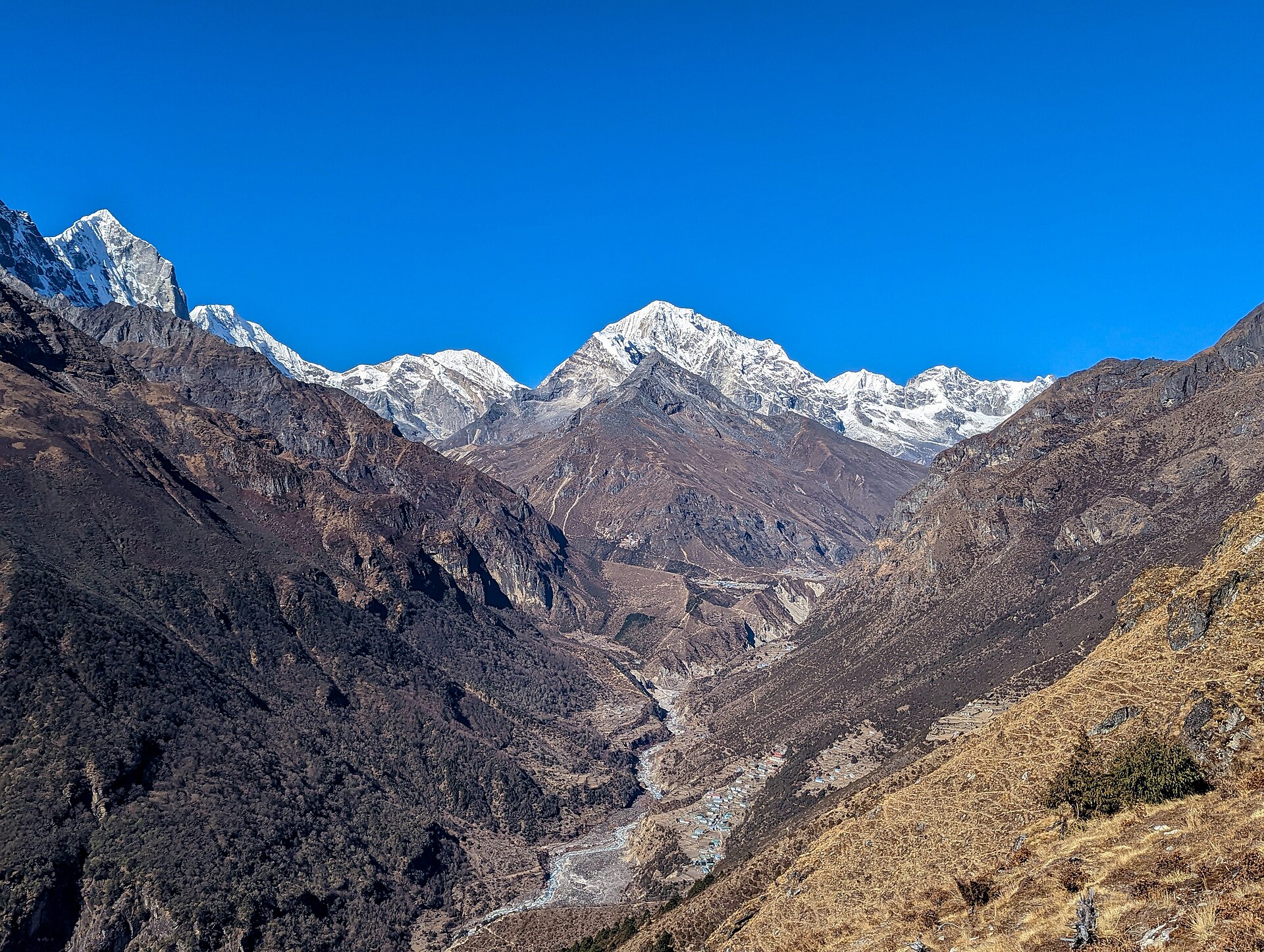
Quick Overview: Everest Base Camp trek in Nepal: the Sagarmatha National Park route through Sherpa villages, altitude and acclimatization, the best seasons, Everest’s 2020 re-measurement to 8,848.86 m, and how to plan.
The trek to Everest Base Camp is one of the best known in the world. It runs up the Khumbu valley through Sherpa villages, monasteries and rhododendron forest, and it ends at the foot of the Khumbu Icefall at about 5,300 meters. You don’t need to climb to do it, but you do need time, fitness and a plan for altitude.
Where it is and what it covers
The trek lies in Sagarmatha National Park, in Nepal’s Solukhumbu district. The park was created in 1976 and has been a UNESCO World Heritage Site since 1979. It covers 1,148 square kilometers, ranging from 1,800 meters up to the summit of Everest itself at 8,848 meters. About 3,000 people live inside it, most of them Sherpa, in villages such as Namche Bazaar, Khumjung, Thame and Thengboche. Musk deer, thar, langur monkeys and the colorful Himalayan monal are among the animals. See our Everest National Park guide for the park itself.
Everest’s names and height
The mountain has three names. The Tibetan name is Chomolungma, and in English it’s named after the British surveyor Sir George Everest, a name given in 1865. The Nepali name, Sagarmatha, was proposed in 1956 by the historian Baburam Acharya. In December 2020 Nepal and China announced a new joint measurement of 8,848.86 meters; before that the accepted figure was 8,848 meters.
The route in outline
Most trekkers fly from Kathmandu to the airstrip at Lukla, then walk up the valley, following the same stages: Phakding, Namche Bazaar (the main Sherpa town), Tengboche with its monastery, and then higher villages such as Dingboche and Lobuche, before reaching Gorak Shep and Base Camp itself. Many add a pre-dawn climb of Kala Patthar for the view of Everest, which can’t be seen from base camp. The round trip normally takes about two weeks, and the rest days built into the schedule are for acclimatization, not for comfort.
Altitude
The main risk on the trek is altitude sickness. The route gains height gradually, and a sensible schedule has rest days at Namche and Dingboche, with short walks higher and sleeping lower. Drink plenty of water, walk slowly, and tell your guide at once about a headache, nausea or breathlessness that doesn’t ease. Descending is the cure. Talk to your doctor before you go, and don’t rely on medication to push through symptoms.
When to go
The two main seasons are spring, roughly March to May, and autumn, roughly September to November, when skies are clearer and the trails are drier. The monsoon from June to August brings cloud and rain, and winter is very cold at height. Flights to Lukla are affected by weather in every season, so leave a spare day at each end.
Permits and arrangements
Trekkers need national park and local permits, which a licensed operator normally arranges. Rules and fees change, so check the current requirements before you book. Most travelers use a guide and porters, which supports local families and makes the trek safer.
Combining it with the rest of Nepal
The trek fits well at the end of a trip, after the cultural stops in Kathmandu and the lakes of Pokhara. See our guides to Kathmandu and Pokhara, and our Nepal tours.
Planning Everest Base Camp with Absolute Asia Tours
Absolute Asia Tours has planned private trips in Asia since 1989. For the trek that means a schedule with enough acclimatization days, a guide who knows the route, permits and flights arranged in advance, and spare days for weather. We’re rated 4.8 out of 5 across about 900 traveler reviews. Tell us your dates and we’ll plan from there.
Sources (read in Nepali): Nepali Wikipedia entries on Sagarmatha National Park and Sagarmatha (Mount Everest). Last checked November 2026.
Everest Base Camp trek: FAQ
How long is the Everest Base Camp trek?
About two weeks round trip from Kathmandu, including acclimatization days.
How high is Everest Base Camp?
About 5,300 meters. The summit of Everest is 8,848.86 meters.
Is Everest Base Camp in Nepal?
Yes. This trek is in Nepal’s Sagarmatha National Park, in the Solukhumbu district.
When is the best time to go?
Spring (March to May) and autumn (September to November).
Is the trek dangerous?
The main risk is altitude sickness. A gradual schedule and a good guide reduce it.
What does Sagarmatha mean?
It’s the Nepali name for Everest, given in 1956 by the historian Baburam Acharya.
Photo: Nepal Trek Adventures, Wikimedia Commons, CC BY 2.0.

Drink plenty of water, walk slowly, and tell your guide at once about a headache, nausea or breathlessness that doesn’t ease.
Further Reading