Absolute Asia/China/Beijing Hutongs: Hidden Alleys of Old Beijing
Beijing Hutongs: Hidden Alleys of Old Beijing
Discover Beijing Hutongs through hidden alleyways, lantern-lit evenings, courtyard homes and fragments of old Beijing still alive behind the modern city.
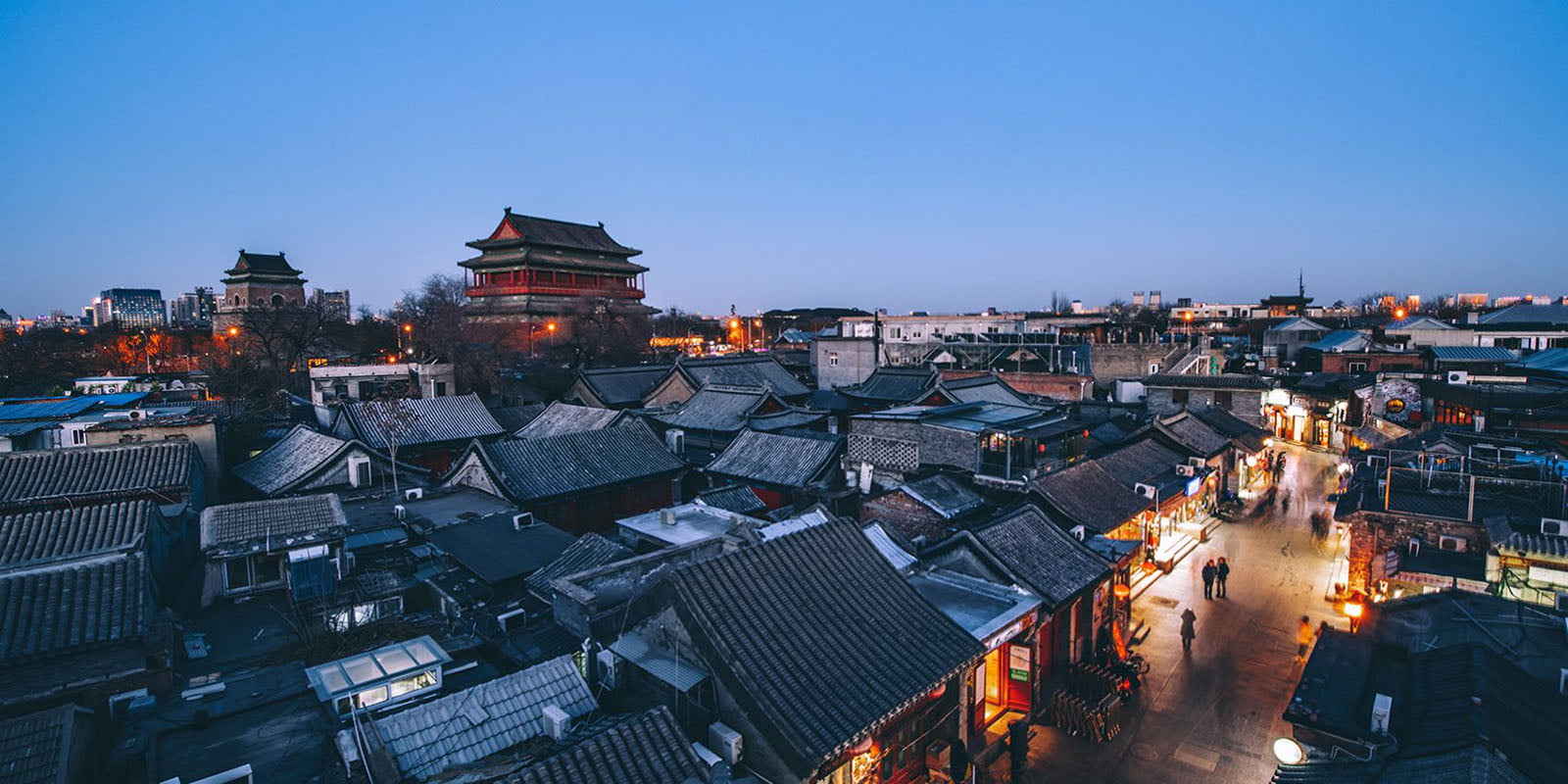
Quick Overview: Discover Beijing Hutongs through hidden alleyways, lantern-lit evenings, courtyard homes and fragments of old Beijing still alive behind the modern city.
A hutong is a narrow lane in a northern Chinese city, and the best-known are in Beijing, where each lane has its own name, such as Shijia Hutong. Chinese Wikipedia traces the word to an old Chinese term for lane, related to the southern word long, although an older theory ties it to a Mongolian word for well. The lanes frame courtyard houses and sit along the city’s old layout.
| Meaning | narrow lane in northern China; the best-known are in Beijing |
|---|---|
| Word origin | debated: one theory says Mongolian khudag, well; Chinese linguists now favor an origin in old Chinese for lane |
| Earliest record | the word appears in Yuan dynasty plays such as Guan Hanqing’s |
| Central axis | the Beijing Central Axis was listed as a World Heritage Site in July 2024, with 15 component sites |
| Axis origin | begun in the 13th century and set in the 16th |
What a hutong is
Hutongs form the lanes around old courtyard houses. In Beijing’s northern dialect, the plain form hutong names a specific lane and the form with an added r is the general term. Where the word comes from is disputed. A theory popular for about a century derives it from a Mongolian word for well or town, because Yuan plays use the word, including a line in a work by Guan Hanqing and a reference to Brick Pagoda Hutong in another. Recent scholars object that wells were no new thing and that Chinese already had many words for lanes, and the most reliable view now ties hutong to the old Chinese word for lane.
The city plan around them
Beijing’s layout follows a central axis that began in the 13th century under the Yuan and took its form in the 16th century. UNESCO listed the Beijing Central Axis in July 2024, with 15 component sites running from the Yongding Gate in the south to the Drum and Bell Towers in the north. Many hutongs lie to its east and west.
Planning your visit
Walk or cycle a few lanes with a local guide, since the lanes are small and similar. A lane’s character changes within a few blocks, from quiet residential streets to busy ones with shops. Some courtyards are private homes, so keep voices down and ask before photographing people. Combine with the Forbidden City and the rest of Beijing.
Visiting with Absolute Asia Tours
Absolute Asia Tours has planned private trips in Asia since 1989. We arrange guides, transfers and timing for this stop as part of a longer China itinerary. We’re rated 4.8 out of 5 across about 900 traveler reviews. See our China tours or tell us your dates.
Sources (read in Chinese, Chinese Wikipedia): 胡同, 北京中轴线. Last checked November 2026.
Beijing Hutongs: FAQ
What is a hutong?
A narrow lane in a northern Chinese city; the best-known are in Beijing.
Where does the word hutong come from?
It is debated. One theory says Mongolian, but the most reliable view ties it to an old Chinese word for lane.
What is the Beijing Central Axis?
A line of 15 component sites through the old city, listed as a World Heritage Site in July 2024.
Can you stay in a hutong?
Yes, some courtyard houses take guests. Check availability and noise levels.
How long does a hutong visit take?
A few hours on foot or by bicycle.
Planning your visit Walk or cycle a few lanes with a local guide, since the lanes are small and similar.
Further Reading
Journeys That Go There