Absolute Asia/China/Harbin Ice Festival 2026–27: Dates, the New Frozen Zone and How to Plan a Private Trip
Harbin Ice Festival 2026–27: Dates, the New Frozen Zone and How to Plan a Private Trip
Plan the Harbin Ice and Snow Festival for winter 2026–27: when the parks open, the new Frozen zone at Ice and Snow World, the snow sculptures on Sun Island, the cold, trains from Beijing and visas.
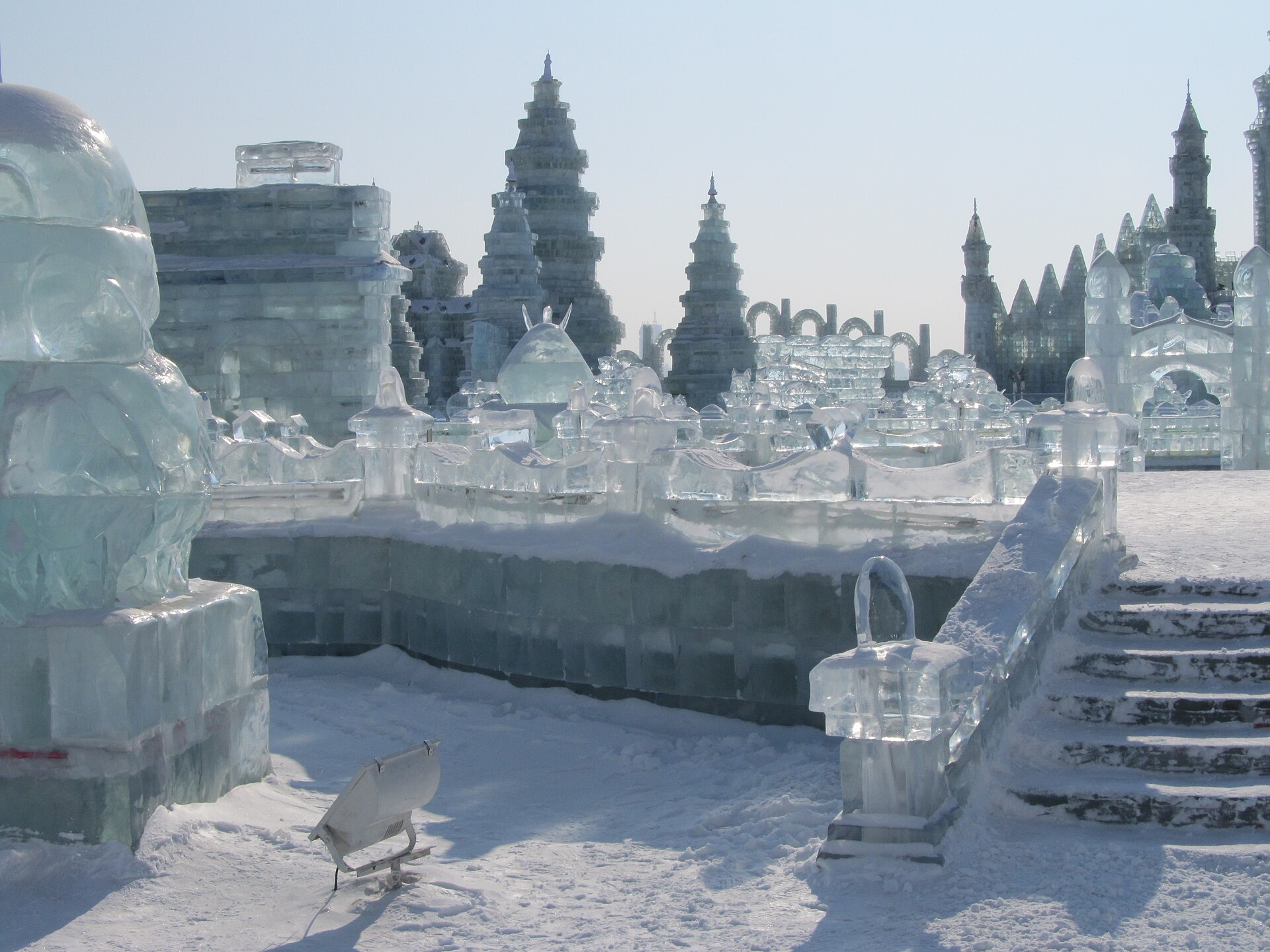
The Harbin Ice and Snow Festival is one of the biggest winter festivals in the world: whole castles cut from river ice and lit up at night, a forest of snow sculptures on Sun Island, and a city in China’s far northeast that leans into temperatures well below zero. The 2026–27 season brings the largest Ice and Snow World yet, with a new zone built around Disney’s Frozen. Here’s when the parks open, what to see, how cold it really is, and how to plan the trip.
When is the Harbin Ice Festival 2026–27?
The festival isn’t one event but a season of several parks, running from late December to late February. The opening dates for this winter haven’t been announced yet; the parks usually confirm them only days before opening. Last season gives a good guide:
- Harbin Ice and Snow World, the main ice park, opened in mid-December 2025.
- Zhaolin Park’s ice lantern fair opened on 30 December 2025.
- The Sun Island Snow Sculpture Expo opened on 31 December 2025.
- The Harbin International Ice and Snow Festival itself was officially opened on 5 January 2026, its 42nd year.
The best window is from about the first week of January to mid-February, when everything is open and the ice is at its best. Don’t leave it too late. In February 2026, a record warm spell pushed temperatures above zero, and Ice and Snow World shut on 20 February and closed for the season early because the sculptures were melting.
What’s new this winter
The 28th Ice and Snow World will cover 1.25 million square meters and use about 400,000 cubic meters of ice and snow, the largest in the park’s history, according to the organizers’ announcement on 14 October 2026. The headline is a partnership with Disney China: a Frozen-themed area with ice sculptures of Elsa, Anna and Olaf, plus a Disney pop-up store. If you’re traveling with children, that alone may decide the trip.
The main sites
Harbin Ice and Snow World
This is the one in the photos: full-size buildings, towers and slides made from blocks of ice cut from the Songhua River, lit in color after dark. Go in the late afternoon, see it in daylight, and stay as the lights come on. It’s on the north side of the river, a short drive from the center.
Sun Island Snow Sculpture Expo
Across the river, Sun Island is about snow rather than ice: huge white sculptures, many by competing artists, that are best seen in daylight. It pairs well with a morning visit before Ice and Snow World in the afternoon.
Zhaolin Park ice lanterns
The oldest part of the festival. Harbin’s ice lantern fair started in Zhaolin Park in 1963 and is where China’s ice lantern art began. It’s smaller and more traditional, in the middle of the city, and it has been free to enter since 2018.
The city itself
Harbin grew up around the railway at the turn of the 20th century, with a large Russian community, and it shows. Walk Central Street, a cobbled street of old European facades, see the green domes of St Sophia Cathedral, and watch people skate and sled on the frozen Songhua River. The Siberian tiger park on the north bank is another popular stop.
How cold is it?
Very. In January, Harbin’s average high is about -12°C (11°F) and the average low about -22°C (-8°F), based on the 1991–2020 normals, and colder nights are common. That’s colder than Sapporo or most of the northern US. Wear thermal base layers, a down parka, insulated boots, a hat that covers your ears, and two pairs of gloves. Phone batteries drain fast in the cold, so carry a power bank in an inside pocket.
The parks are mostly outdoors, so plan short loops with breaks in the warm. This is one of the places where a private car helps most: it waits outside, warm, between sites.
Getting there
Most travelers come through Beijing. The fastest high-speed trains from Beijing Chaoyang to Harbin West take about four and a half hours, and there are also direct flights from Beijing, Shanghai and other Chinese cities. Trains are busy around the festival and Chinese New Year, so book early.
A 6-day winter route
Days 1 to 3, Beijing, with the Forbidden City, the Great Wall in the snow if you’re lucky, and the hutongs. Day 4, the morning train to Harbin, then Central Street and Zhaolin Park in the evening. Day 5, Sun Island in the morning, Ice and Snow World from late afternoon into the night. Day 6, St Sophia Cathedral, the river and the tiger park, then fly onward. With more time, add a few days in the countryside for China’s Snow Town or the ski slopes at Yabuli. See our guide to things to do in Beijing.
If you’re putting together a longer winter trip in North Asia, the Sapporo Snow Festival runs in early February. Our Hokkaido in winter guide has the dates.
Visas for Americans
US citizens aren’t on China’s 30-day visa-free list, so for a trip to Beijing and Harbin you’ll normally need a Chinese tourist visa. China’s 240-hour visa-free transit does apply to Americans, but only if you’re flying on to a third country and you stay within the permitted regions. Our guide to tours to China from the USA explains both options.
Planning it with Absolute Asia Tours
Absolute Asia Tours has planned private trips in Asia since 1989. For Harbin, that means a private guide and a warm car between the parks, park visits timed for daylight and the evening lights, and train tickets and hotels booked early for the busiest weeks. We’re rated 4.8 out of 5 across about 900 traveler reviews. Have a look at our China tours or tell us your dates.
Sources (read in Chinese): Science and Technology Daily on the 28th Harbin Ice and Snow World (14 October 2026); 21st Century Business Herald and Sina on the early closure in February 2026; Xinhua on the 52nd Zhaolin Park ice lantern fair; Chinanews on the 38th Sun Island Snow Sculpture Expo; China Railway timetables via Ctrip; China Meteorological Administration normals; Chinese Embassy in the US on visa-free entry. Last checked October 2026.
Photo: Tracy Hunter, Wikimedia Commons, CC BY 2.0.

Harbin Ice Festival: FAQ
When does the Harbin Ice Festival start in 2026–27?
The opening dates haven’t been announced yet. Last season, Ice and Snow World opened in mid-December, the Zhaolin Park and Sun Island parks at the end of December, and the festival was officially opened on 5 January.
What is the best time to visit the Harbin Ice Festival?
From early January to mid-February, when all the parks are open. In late February, warm spells can close the parks early, as happened in 2026.
What is new at Harbin Ice and Snow World this year?
The park grows to 1.25 million square meters with about 400,000 cubic meters of ice and snow, and adds a Disney Frozen zone with ice sculptures of Elsa, Anna and Olaf.
How cold is Harbin during the ice festival?
In January the average high is about -12°C (11°F) and the average low about -22°C (-8°F), so you need full cold-weather clothing.
How do you get to Harbin from Beijing?
By high-speed train in about four and a half hours from Beijing Chaoyang to Harbin West, or by a direct flight.
Do Americans need a visa for the Harbin Ice Festival?
Usually yes. The US isn’t on China’s 30-day visa-free list. The 240-hour visa-free transit applies only if you’re traveling on to a third country.
In January, Harbin’s average high is about -12°C (11°F) and the average low about -22°C (-8°F), based on the 1991–2020 normals, and colder nights are common.
Further Reading
Journeys That Go There