Absolute Asia/Japan/Luxury Hotels in Tokyo: Which District to Stay In and Which Hotels Suit Whom
Luxury Hotels in Tokyo: Which District to Stay In and Which Hotels Suit Whom
Choose a luxury hotel in Tokyo by district: Marunouchi, Ginza, Shinjuku and Nihonbashi, with facts on the Imperial Hotel, Park Hyatt and Mandarin Oriental.
Quick Overview: Choose a luxury hotel in Tokyo by district: Marunouchi, Ginza, Shinjuku and Nihonbashi, with facts on the Imperial Hotel, Park Hyatt and Mandarin Oriental.
Short answer: Choose a Tokyo luxury hotel by district first, then by hotel. Marunouchi suits Tokyo Station and the Shinkansen. Ginza suits shopping and dining. Shinjuku suits skyline views and nightlife.
The Imperial Hotel, Park Hyatt Tokyo and Mandarin Oriental Tokyo are three well-documented choices, each in a different district.
By Absolute Asia Tours. Facts checked on Wikipedia on . Hotel details change, so we confirm rooms and dates when we plan. Prices are planning ranges from our cost guide.


| Imperial Hotel | Chiyoda, south of the Imperial Palace grounds; first hotel opened in November 1890 |
|---|---|
| Park Hyatt Tokyo | Floors 39 to 52 of Shinjuku Park Tower, which opened on 25 April 1994 |
| Mandarin Oriental Tokyo | Top floors of Nihonbashi Mitsui Tower; opened 2 December 2005; 178 guest rooms |
| Best for the Shinkansen | Marunouchi, next to Tokyo Station |
| Best for shopping | Ginza |
Which district should you stay in?
Pick the district that matches how you will spend the days. Tokyo is large, and the district sets your daily travel time.
| District | Known for, per Wikipedia | Best for |
|---|---|---|
| Marunouchi | Core of the central business district between Tokyo Station and the Imperial Palace; Tokyo Station opened in 1914 | Shinkansen day trips, quiet evenings |
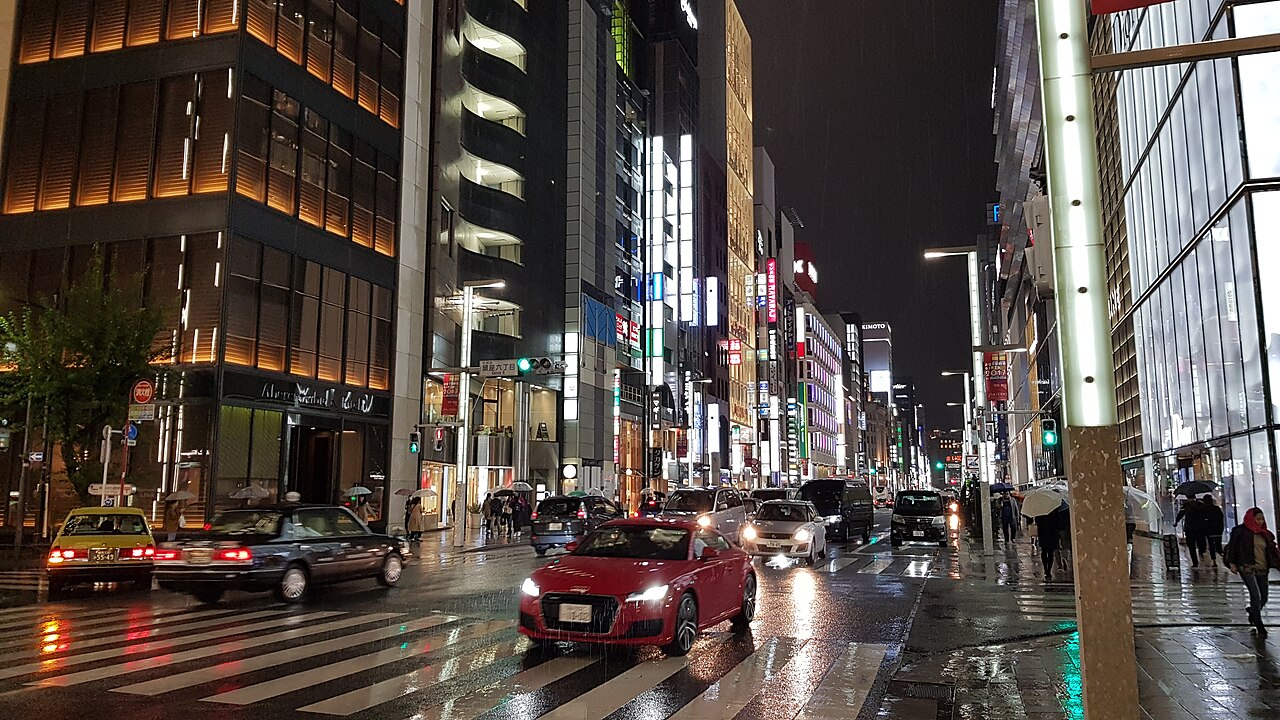
| Ginza | Upscale shopping with department stores and flagship stores; Chuo-dori is closed to traffic on weekends from 12:00 to 17:00 | Shopping and dining |
| Shinjuku | Skyscrapers in Nishi-Shinjuku, nightlife, and the 58.3-hectare Shinjuku Gyoen garden | Views and nightlife |
| Nihonbashi | Home of the Mandarin Oriental, near Tokyo Station | Business travelers and Tokyo Station access |
What do we know about the major hotels?
The Imperial Hotel has a long history. The first hotel opened in November 1890, a Frank Lloyd Wright building followed in 1923, and the current main building dates from 1968. Wikipedia calls the Imperial, Hotel Okura Tokyo and Hotel New Otani the city’s “three great hotels”. Wikipedia also says the main building is due to be rebuilt, with a new hotel expected around 2036, so confirm the status when you book.


The Park Hyatt Tokyo occupies floors 39 to 52 of Shinjuku Park Tower, a 52-floor, 235 m building designed by Kenzo Tange. Wikipedia says the hotel was the main setting for the film Lost in Translation.
The Mandarin Oriental Tokyo sits in the top nine floors of the Nihonbashi Mitsui Tower, designed by Cesar Pelli. It has 178 guest rooms on floors 30 to 36, with the spa and several restaurants on floors 37 and 38.
What are the top luxury experiences in Tokyo?
Pair the hotel with a few private experiences. Walk Ginza with a guide, visit the Wako building, which dates from 1894, and the Kabuki-za, which first opened in 1889. Spend a morning in Shinjuku Gyoen. Book a private guide for a day, which also answers the common search for a private tour guide in Tokyo.

How do you choose a hotel?
- Choose the district before the hotel.
- Ask for the room category and the view, not only the hotel name.
- Check the distance to Tokyo Station if you plan Shinkansen day trips.
- Ask whether a refurbishment or closure affects your dates.
Read our luxury Japan itinerary and our guide to a luxury ryokan stay, or plan your trip.
What does it cost?
From US$650 per guest per day, Japan Classic tier. The Signature 5-star tier, which fits the hotels above, runs from US$900 to US$1,500 per guest per day. Both tiers cover a fully private itinerary, land only.
| Tier | US$ per guest per day |
|---|---|
| Classic luxury | 650 to 850 |
| Signature 5-star | 900 to 1,500 |
Based on the daily benchmarks in our Asia Luxury Travel Cost Guide, reviewed 25 November 2026. They are per guest, exclude international flights, and we confirm them in writing for your exact dates.
Ask for a quote
Tell us your plan and we will reply within one business day with a draft route and the hotels we can confirm.
Frequently asked questions
Which Tokyo district is best for a luxury stay?
Marunouchi for Tokyo Station, Ginza for shopping, Shinjuku for views and nightlife.
When did the Imperial Hotel open?
The first hotel opened in November 1890. The current main building dates from 1968.
Which floors is the Park Hyatt Tokyo on?
Floors 39 to 52 of Shinjuku Park Tower.
How many rooms does the Mandarin Oriental Tokyo have?
Wikipedia lists 178 guest rooms on floors 30 to 36.
Is it better to stay in a ryokan or a city hotel?
Most trips use both: a city hotel in Tokyo and a ryokan elsewhere. See our ryokan guide.
How much does it cost?
From US$650 per guest per day, Japan Classic tier. The Signature 5-star tier, which fits the hotels above, runs from US$900 to US$1,500 per guest per day. Both tiers cover a fully private itinerary, land only. Exact prices depend on dates, hotels and group size, and we confirm them in writing.
Sources
Checked 27 November 2026. Facts come from Wikipedia and can change.
Book a private guide for a day, which also answers the common search for a private tour guide in Tokyo.
Further Reading
Journeys That Go There